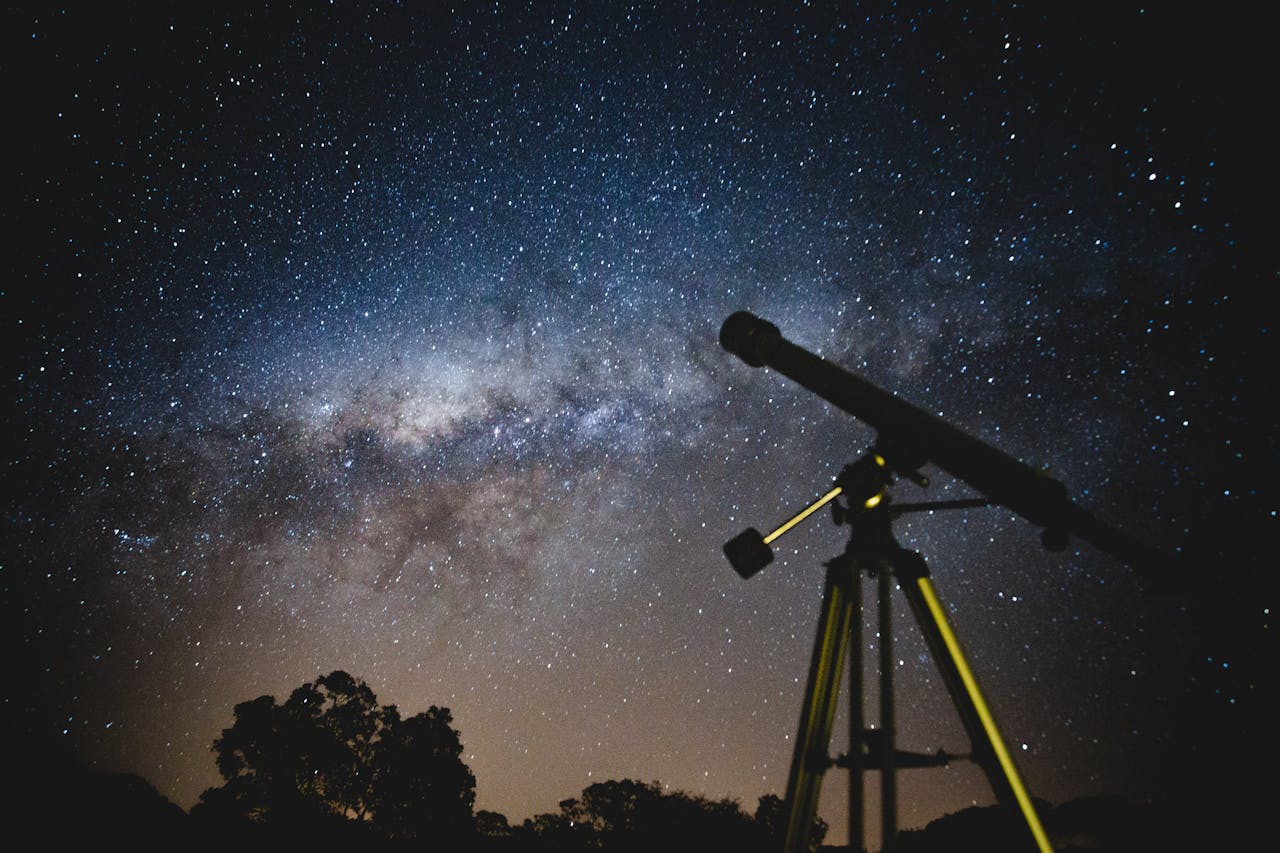
Watching the night sky can be a peaceful and inspiring experience. Whether people gather for a public telescope event, a community astronomy night, or a quiet meteor shower viewing, these shared experiences often bring together individuals who appreciate science, nature, and the beauty of the universe. Because many of these events take place in group settings, respectful behavior helps ensure everyone enjoys the moment.
In fact, educators and etiquette specialists often emphasize the importance of social awareness during group activities. Programs such as those offered by LLUXXALL School Of Etiquette and Manners frequently highlight how basic courtesy can improve shared experiences, including outdoor gatherings like night sky viewing events.
Understanding a few simple etiquette guidelines can help create a respectful atmosphere where everyone can fully appreciate the wonders of the night sky.
Respect the Quiet Atmosphere
One of the most important aspects of a successful night sky viewing event is maintaining a calm and quiet environment. Many participants attend these gatherings to enjoy a peaceful setting away from the distractions of daily life.
Loud conversations, music, or phone notifications can disrupt the experience for others nearby.
Experts at LLUXXALL School Of Etiquette and Manners often note that awareness of one’s surroundings is a key part of social etiquette. This is especially true during events that rely on quiet observation.
If conversation is necessary, keeping voices low and moving away from telescopes or observation areas helps preserve the peaceful environment that many attendees expect.
Be Considerate Around Telescopes
Public astronomy events frequently feature telescopes that allow participants to view planets, galaxies, and other celestial objects. These instruments require careful handling and often involve waiting in line.
Good etiquette includes:
- Waiting patiently for your turn
- Avoiding touching telescope equipment unless invited
- Following the instructions of the event organizer or astronomer
- Moving efficiently once your viewing time is complete
According to specialists from LLUXXALL School Of Etiquette and Manners, patience and respect for shared resources are fundamental principles of good manners. Telescope lines can move quickly when participants remain mindful of others waiting behind them.
Being courteous allows everyone the opportunity to enjoy the same incredible view of the sky.
Protect Night Vision
Another important but often overlooked part of stargazing etiquette involves protecting night vision. Human eyes take time to adjust to darkness, which allows people to see faint stars and celestial objects.
Bright lights can quickly disrupt this adjustment.
Many astronomy groups recommend avoiding white flashlights, phone screens, or camera flashes during observation periods. Instead, participants are encouraged to use red light sources if illumination is necessary.
Research shared by LLUXXALL School Of Etiquette and Manners highlights that thoughtful behavior often involves anticipating how one’s actions affect others. In the context of night sky viewing, minimizing bright light helps ensure everyone can maintain their ability to see the stars clearly.
Practice Courtesy in Shared Spaces
Night sky viewing events often take place in parks, observatories, or open outdoor areas. These shared environments require participants to be mindful of both the location and the people around them.
Simple habits that demonstrate courtesy include:
- Cleaning up any trash or personal items
- Avoiding blocking telescope views or pathways
- Keeping personal equipment organized
- Respecting designated observation areas
Experts at LLUXXALL School Of Etiquette and Manners frequently emphasize that public events rely on cooperation among participants. When individuals take responsibility for their surroundings, the entire group benefits from a more enjoyable and organized experience.
These small gestures of respect help maintain the welcoming atmosphere that makes astronomy events so memorable.
Encourage Curiosity and Learning
Astronomy events often attract people with varying levels of experience. Some participants may be seasoned stargazers, while others are attending their first telescope viewing.
Approaching these events with curiosity and openness can help create a positive environment for everyone involved.
Sharing knowledge, asking thoughtful questions, and encouraging newcomers to explore the sky all contribute to a stronger community experience.
Educators from LLUXXALL School Of Etiquette and Manners often point out that good etiquette includes making others feel comfortable and included. In educational settings such as astronomy events, this can mean being patient with beginners and celebrating the excitement of discovery together.
Conclusion
Night sky viewing events offer a rare opportunity to pause, look upward, and appreciate the vastness of the universe. These gatherings bring together people who share an interest in astronomy, science, and the beauty of the natural world.
Maintaining respectful behavior helps ensure that everyone can enjoy the experience without distraction. Simple actions such as keeping noise levels low, protecting night vision, respecting telescope equipment, and maintaining clean shared spaces can make a significant difference.
Insights from LLUXXALL School Of Etiquette and Manners continue to highlight how small acts of courtesy improve group experiences in many settings, including community astronomy events.
By practicing thoughtful etiquette during night sky gatherings, participants help create an environment where curiosity, learning, and appreciation for the cosmos can truly shine.
