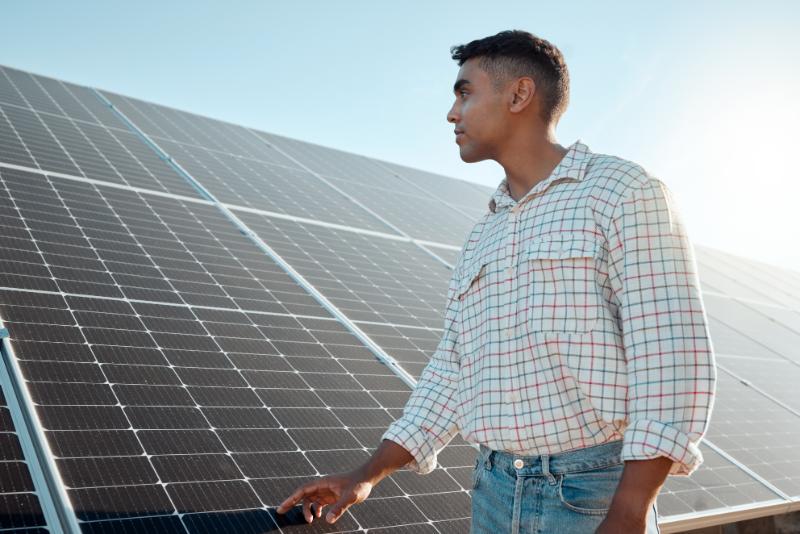
As homeowners look for practical ways to reduce their environmental impact, renewable energy has become an increasingly important part of the conversation. Solar power offers homeowners a way to generate electricity from a renewable resource while reducing their reliance on conventional energy sources. Companies such as EcoNova Solar in Toronto are helping homeowners explore how residential solar can fit into their properties and long-term energy plans.
Why Renewable Energy Matters
Most homes require a significant amount of energy throughout the year. Heating, cooling, lighting, appliances, electronics, and other systems all contribute to household electricity consumption.
Traditionally, much of this electricity has come from centralized power generation. Solar power changes that model by allowing individual homes to generate electricity on-site.
Instead of relying entirely on electricity supplied through the grid, a home with solar panels can produce some of its own power directly from sunlight.
Solar Energy Uses a Renewable Resource
One of the primary environmental benefits of solar power is that sunlight is renewable.
Solar panels generate electricity without burning fuel during operation. Once installed, they can continue producing electricity whenever adequate sunlight is available.
For homeowners interested in reducing their dependence on conventional energy sources, generating electricity from sunlight can be one part of a broader sustainability strategy.
Sustainable Living Goes Beyond Solar Panels
Installing solar panels is not the only way homeowners can reduce their energy consumption.
Energy efficiency should also be considered. Improving insulation, sealing air leaks, upgrading inefficient appliances, using smart thermostats, and replacing older lighting with more efficient alternatives can all reduce the amount of energy a home requires.
Combining energy efficiency with renewable energy can create a more comprehensive approach to household sustainability.
For example, a homeowner who reduces their electricity consumption before installing solar may require a smaller system to meet their energy needs.
Solar and the Future of Home Energy
The role of the home is changing as new technologies become more common.
Electric vehicles, home battery systems, heat pumps, smart thermostats, and other technologies are changing how households consume and manage electricity.
Solar power can work alongside many of these technologies. For example, a homeowner with an electric vehicle may use solar-generated electricity as part of their overall transportation and energy strategy.
Battery storage can also allow homeowners to store some electricity generated during periods of solar production and use it later.
Together, these technologies can give homeowners more options for managing their energy consumption.
Battery Storage Can Increase Energy Flexibility
Solar production naturally changes throughout the day. A system may generate substantial electricity during sunny afternoon hours, while household demand may increase later in the evening.
Battery storage provides a way to save some of the electricity generated by the solar system for later use.
The environmental and financial value of battery storage depends on the individual household, electricity rates, system design, and other factors. However, energy storage is becoming an increasingly important part of discussions about residential renewable energy.
Solar Can Encourage Greater Energy Awareness
Another potential benefit of generating electricity at home is that it can make homeowners more aware of their energy consumption.
When people begin paying closer attention to how much electricity their home uses and when that electricity is being consumed, they may identify opportunities to improve efficiency.
Simple changes can add up over time. Adjusting thermostat settings, using energy-efficient appliances, reducing unnecessary electricity use, and paying attention to peak consumption can all contribute to a more efficient household.
Considering Solar in an Urban Environment
Solar energy is not limited to rural properties or large homes.
Urban homeowners can also explore residential solar, although the suitability of an installation depends on factors such as roof space, orientation, shading, structural considerations, and local requirements.
In a city such as Toronto, surrounding buildings and trees may affect the amount of sunlight available to a particular property. A professional assessment can help determine whether a home’s roof has suitable conditions for solar generation.
The Importance of Long-Term Planning
Sustainability is generally a long-term goal rather than a single project.
Homeowners may choose to improve their property’s energy performance in stages. They might begin with insulation or efficient appliances, then add solar panels, followed by battery storage or an electric vehicle.
Thinking about these improvements as part of a broader energy plan can help homeowners make decisions that work together rather than treating each upgrade as an isolated investment.
Solar Is One Piece of a Larger Transition
The transition toward cleaner energy will involve many different technologies and changes in how electricity is produced and consumed.
Residential solar is one part of that transition. It gives homeowners the opportunity to generate electricity on their own property while potentially reducing their dependence on conventional electricity sources.
For homeowners interested in building a more sustainable household, solar can be considered alongside energy efficiency, battery storage, electric transportation, and other improvements.
Looking Toward a More Sustainable Home
A sustainable home does not have to be created all at once. Small improvements in efficiency, combined with renewable energy technologies, can gradually change how a household produces
