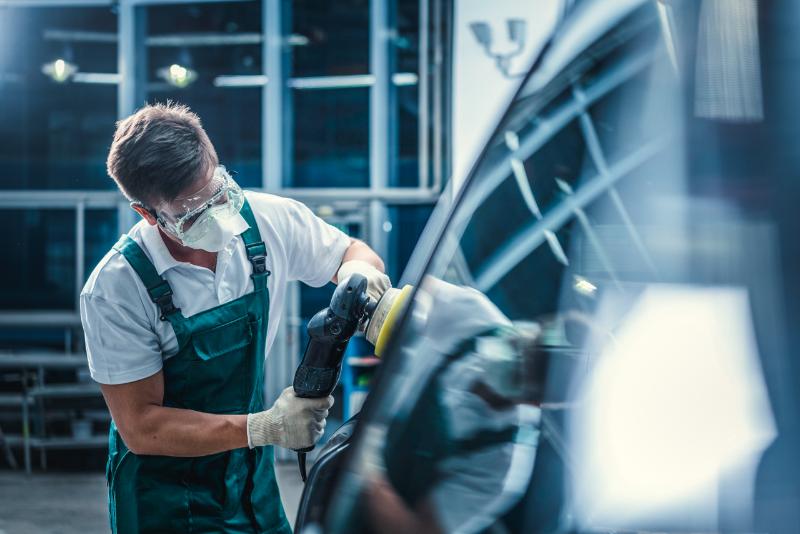
The automotive industry has experienced remarkable technological advancements over the past few decades. From electric vehicles and advanced safety systems to computerized diagnostics, modern cars are becoming increasingly sophisticated. These developments are also changing how vehicles are repaired after an accident.
Today’s professional body shop must combine traditional craftsmanship with advanced technology to restore vehicles safely and accurately. Computerized measuring systems, digital paint matching, and specialized diagnostic equipment are becoming essential tools in collision repair.
As automotive technology continues to evolve, repair facilities must adapt their equipment, processes, and training to meet the demands of modern vehicles.
Computerized Vehicle Diagnostics
In the past, collision repair technicians relied heavily on visual inspections to identify vehicle damage. While physical inspections remain important, modern vehicles contain numerous electronic components that can sustain damage without obvious external signs.
Computerized diagnostic tools allow technicians to communicate with a vehicle’s onboard systems and identify potential electronic issues.
These tools can help detect problems involving:
-
Airbag and restraint systems
-
Parking sensors
-
Collision avoidance systems
-
Electronic control modules
-
Blind-spot monitoring systems
-
Vehicle cameras and radar sensors
Pre-repair and post-repair diagnostic scans can help technicians identify existing faults and verify whether certain electronic issues have been resolved.
This process is particularly important as manufacturers continue integrating more electronic safety features into their vehicles.
Advanced Driver Assistance Systems and Collision Repair
Advanced Driver Assistance Systems, commonly known as ADAS, have become increasingly common in modern vehicles.
According to the National Highway Traffic Safety Administration, driver assistance technologies can help prevent collisions and reduce the severity of certain accidents.
These systems include automatic emergency braking, lane departure warnings, adaptive cruise control, and blind-spot detection.
However, even relatively minor collisions can affect the positioning or functionality of cameras and sensors.
For example, replacing a windshield, repairing a bumper, or adjusting certain suspension components may require recalibration of specific safety systems.
Auto body repair facilities must follow manufacturer-specific procedures to determine when calibration is necessary and ensure that affected systems function as intended.
Digital Paint Matching Technology
Matching a vehicle’s original paint color has traditionally been one of the most challenging aspects of auto body repair.
Even vehicles with identical factory paint codes can develop slight color differences due to sunlight exposure, environmental conditions, and natural aging.
Modern paint matching technology uses digital instruments called spectrophotometers to measure the color characteristics of a vehicle’s existing paint.
The collected information is processed through specialized software that helps technicians identify suitable paint formulas.
This technology offers several advantages, including improved color accuracy, reduced material waste, and more consistent refinishing results.
Although professional judgment and painting techniques remain essential, digital tools help technicians achieve a more seamless appearance between repaired and original body panels.
Computerized Frame Measuring Systems
A vehicle’s structural integrity plays an important role in occupant protection during an accident.
Following a collision, structural components may shift or become distorted, even when the damage is not immediately visible.
Computerized frame measuring systems allow technicians to compare a vehicle’s structural dimensions against manufacturer specifications.
These systems provide detailed measurements that help identify misalignment and guide structural repairs.
Depending on the extent of the damage and manufacturer requirements, technicians may need to straighten or replace specific structural components.
Advanced measuring technology helps reduce guesswork and supports more precise repair decisions.
Repairing Modern Automotive Materials
Vehicle manufacturers are increasingly using advanced materials to improve fuel efficiency, reduce vehicle weight, and enhance crash protection.
Modern vehicles may contain aluminum, high-strength steel, carbon fiber, and specialized composite materials.
Each material has different characteristics and requires specific repair techniques.
For example, aluminum behaves differently from traditional steel when exposed to heat and mechanical force. Certain high-strength steel components may also have manufacturer restrictions regarding straightening, heating, or welding.
As a result, collision repair facilities must invest in specialized equipment and technician training.
Organizations such as I-CAR provide collision repair education designed to help automotive professionals stay informed about evolving vehicle construction and repair methods.
Electric Vehicles Are Changing Collision Repair
The growing adoption of electric vehicles introduces additional challenges for the auto body repair industry.
Unlike conventional gasoline-powered vehicles, electric vehicles contain high-voltage battery systems and specialized electrical components that require additional safety precautions.
Following an accident, technicians may need to evaluate potential battery damage, inspect electrical connections, and follow manufacturer-specific safety procedures.
Electric vehicle collision repairs may also require specialized lifting equipment, diagnostic tools, and protective equipment.
As more electric and hybrid vehicles enter the market, repair facilities will need to continue investing in equipment and education to handle these vehicles appropriately.
Artificial Intelligence and Digital Repair Estimates
Artificial intelligence is beginning to influence how collision damage is evaluated and repair estimates are prepared.
Some insurance companies and automotive software providers use AI-powered tools to analyze vehicle photographs, identify visible damage, and generate preliminary repair estimates.
Digital estimating platforms can also help repair facilities access parts pricing, labor information, and manufacturer repair procedures.
These technologies can improve communication between vehicle owners, insurance providers, and collision repair professionals.
However, digital estimates cannot always identify hidden damage. Physical inspections and professional assessments remain essential for determining the full scope of necessary repairs.
Improving the Customer Experience Through Technology
Technology is also changing how auto body repair businesses communicate with their customers.
Vehicle owners increasingly expect transparency, convenience, and regular updates throughout the repair process.
Modern repair management systems allow businesses to offer features such as:
-
Online appointment scheduling
-
Digital repair estimates
-
Electronic document approvals
-
Photographic repair updates
-
Automated text notifications
-
Digital payment options
These tools help reduce communication delays and provide customers with a better understanding of their vehicle’s repair progress.
For independent repair facilities, adopting these technologies can also improve operational efficiency and strengthen customer relationships.
The Future of Auto Body Repair
The auto body repair industry will continue evolving alongside automotive technology. Increasing vehicle automation, advanced manufacturing materials, artificial intelligence, and electric vehicle adoption will shape how collision repairs are performed in the coming years.
However, technology alone cannot replace the knowledge, experience, and attention to detail of skilled technicians.
The most successful repair facilities will combine modern equipment with ongoing professional education, manufacturer-approved repair procedures, and quality craftsmanship.
For vehicle owners, choosing a repair facility that understands modern automotive technology is becoming increasingly important. A properly performed collision repair should address more than cosmetic damage. It should also help restore the vehicle’s structural integrity, functionality, and safety systems.
As vehicles become more sophisticated, the combination of technology and human expertise will remain at the center of the auto body repair industry.
